

The Oswald Detectives
Chronicling the Enigma of Lee Harvey Oswald, One Book at a Time…

NOTE: This Substack piece contains a voice recording of the author reading the article (above).
“Most of what once existed is gone... Nature takes one toll, malice another... most of what historians study survives because it was purposely kept... (it) is called the historical record, & it is maddeningly uneven, asymmetrical, & unfair.”
― Jill Lepore, These Truths: A History of the United States (2018)
THE HUMAN ENIGMA
Of all the different types of history, biographies are among the most challenging to write well. Think about it: You have to select a compelling individual, someone who’ll essentially become a roommate in your head for the next several years while you’re researching and writing the book.
If you pick someone famous, chances are other biographers have already written about the person. What do you plan to write about your subject that’s unique? Maybe that individual donated boxes of his or her personal papers to an archive at a university, or a public library, or state historical society. Or perhaps your individual of choice did not amass a big collection of correspondence and other documents that detail their important life milestones, and you’re working with a limited range of information.
If you’re researching and writing a biography, there’s a chance you might have to rely on the relatives or friends of your subject to furnish you with historical sources about their life. Or, if your subject matter has been dead for a longer period – a century, or multiple centuries – you might be at the mercy of the scattered shards of that person’s life that remain extant.
And not only do you have to write about your chosen one’s time in this world, but a successful biography also connects its subject to the larger historical panorama of which their existence was a part. How does that person’s life illuminate the larger history of the times in which they lived?
So many questions. So many dead ends. So many challenges.
That’s one of the reasons I so admire the great biographers. When they do what they do effectively, they’re performing an invaluable service.
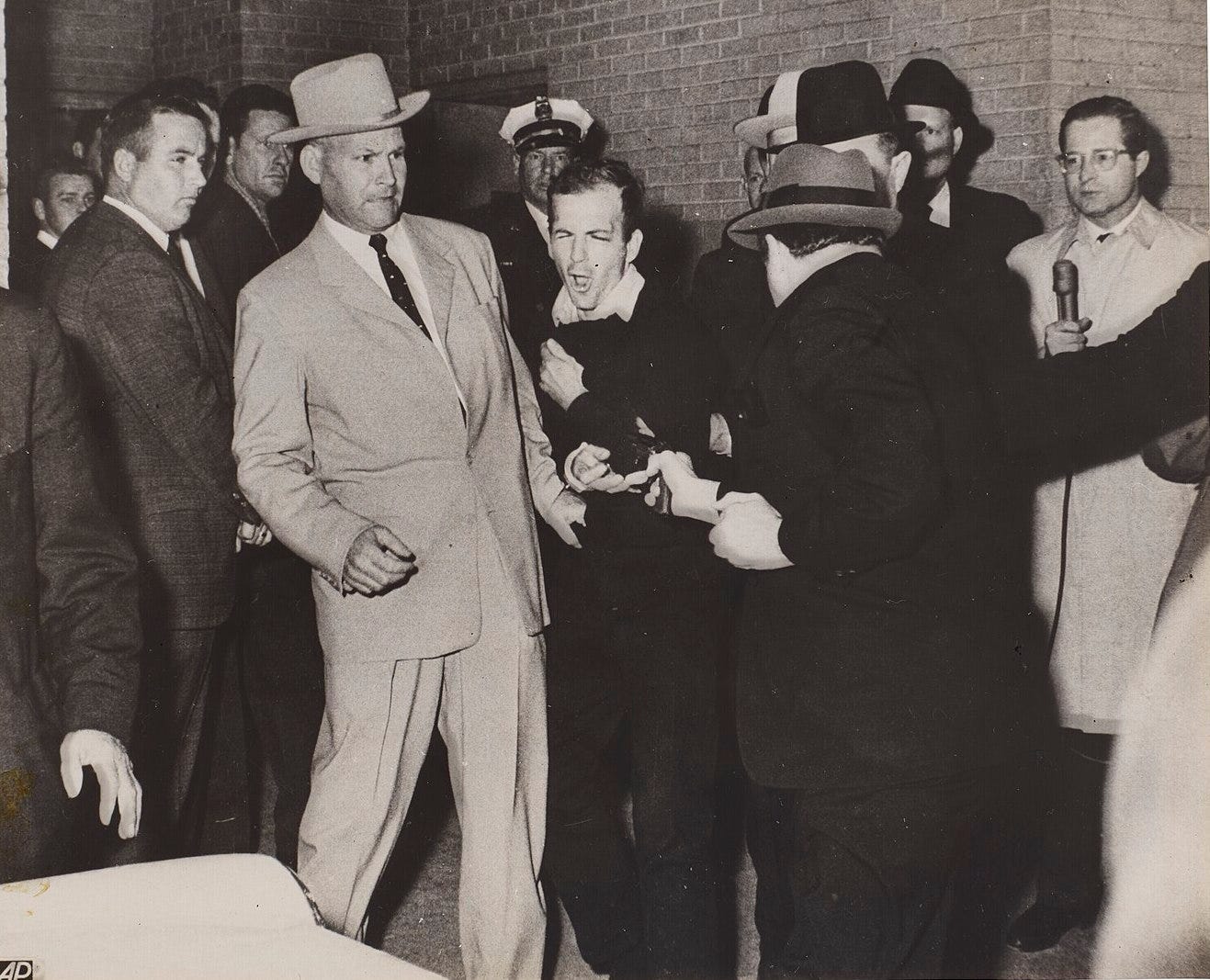
I’m especially in awe of the writers who produce compelling biographies of Lee Harvey Oswald (1939-1963). Oswald is perhaps the most famous of history’s assassins, and his complicated brief existence on Earth has raised as many questions as it has furnished answers.
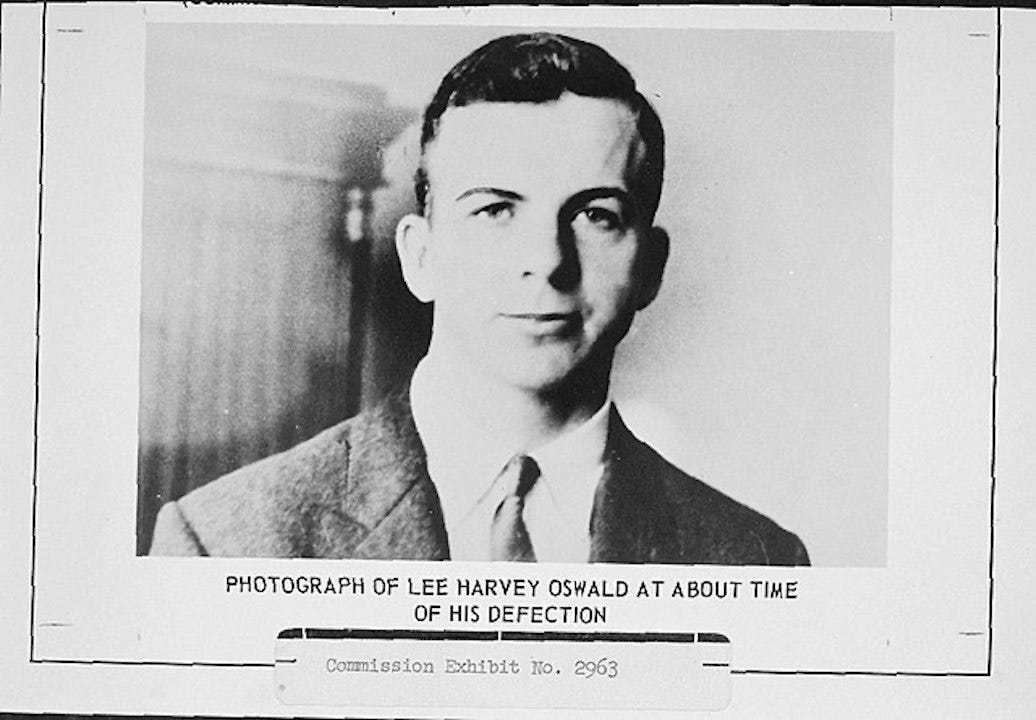
More than 60 years after shots rang out in Dallas, Texas, taking the life of President John F. Kennedy, his assassin, Lee Harvey Oswald remains a shadow figure, always slightly out of focus, perpetually shrouded in speculation and mystery.
The riddles surrounding his life and actions continue to haunt the collective imagination, fueling countless books, films (both feature and documentary), podcasts, and endless debates.
Recent events have brought Oswald back to the fore. In late January, President Donald Trump announced his plans to declassify the remaining thousands of secret government documents about President Kennedy’s assassination.
Coincidentally, the death on February 21 of United States Secret Service agent Clint Hill at age 93 – a man of immense courage, who bravely used his own body to shield the president and first lady Jacqueline Kennedy – closed a chapter on one of the last remaining key figures at the scene of the assassination, bringing the event back into the news.
At the vortex of that powerful storm, of course, was Oswald – loner, eccentric, a Marine and self-proclaimed Marxist-Leninist who lived in the Soviet Union for a time, and a man whose life was full of contradictions and paradoxes and baffling behaviour. The number of Americans who believe that Oswald was involved in a broader conspiracy has never dipped below fifty percent, according to Gallup polls taken over the decades.
This Substack article will explore a group of intrepid folks who I call the “Oswald Detectives” – the men and women who researched and chronicled his short, perplexing life and made vital contributions toward deepening our understanding of the man.
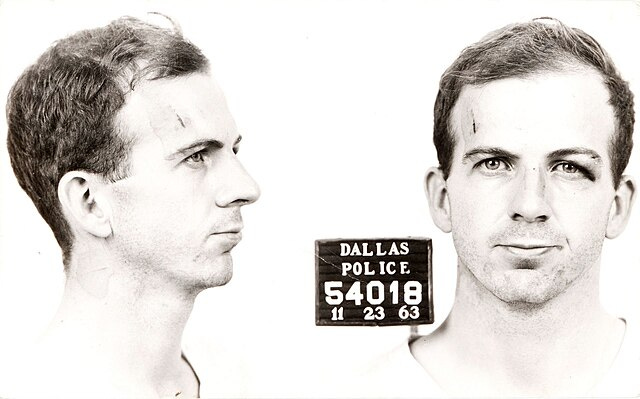
This article will not directly examine the information about Oswald’s life and alleged role in the Kennedy assassination that’s found in the Warren Commission Report, a long account issued by the government body appointed by President Lyndon Johnson to study the Kennedy assassination. While the Report provided a comprehensive, albeit controversial, overview of the assassination, many authors have chosen to delve deeper into Oswald’s life. Those are the people who interest me. The books I’m discussing here have aimed to illuminate the individual, despite the maddening unknowns about him that persist.
Nor will I discuss the remarkable historical detectives who’ve contributed more broadly to our knowledge of the Kennedy assassination. The emphasis here is on the complex loner who allegedly shot and killed President Kennedy on that dark day in November back in 1963.
THE PARTICIPANT-OBSERVERS
Some of the earliest Oswald books were written by people who knew him, starting with his older brother, Robert Oswald (1934-2017). Robert’s memoir, titled Lee: A Portrait of Lee Harvey Oswald by His Brother, was published on the fourth anniversary of the Kennedy assassination, November 22, 1967, when the author was 33. Robert had been a Marine during the Korean War, and by the time his book appeared in print, he worked for the Acme Brick Company in Texas.[1]
At the time Robert wrote his book, rumours were already swirling that Oswald had been part of a larger conspiracy – perhaps orchestrated by the Central Intelligence Agency (CIA), or President Lyndon Johnson, or Cuban leader Fidel Castro, or organized crime, or some other dark forces – and that the 24-year-old assassin had been a “pawn” in their grand scheme.
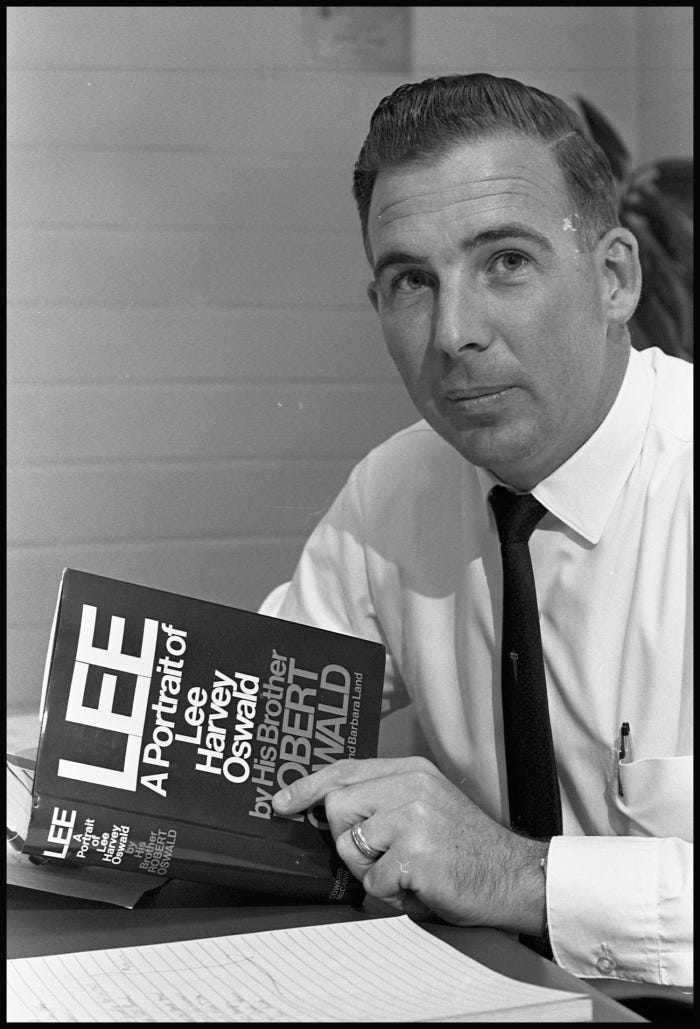
Robert thought these claims were nonsense “I have seen no convincing evidence,” he wrote, “that the [Warren] Commission, the FBI, the Secret Service, the State Department, the CIA, and the President joined in some melodramatic conspiracy to deceive the American people.”[2]
Despite his disdain for newly emerging conspiracy theories about his brother, Robert harboured serious doubts about the final Report issued by the Warren Commission. “Some important questions were never asked,” he wrote. “Some troubling inconsistencies were left unresolved. Some witnesses who gave testimony that cast doubt on some Commission findings were simply ignored.”[3]
Robert and Lee were close when they were young brothers growing up in New Orleans and Fort Worth in the 1940s and 1950s. The loss of their father before Lee’s birth strengthened their bond. “Lee followed me around more than ever when I was at home,” Robert wrote. “After school he wanted to go where I went, do what I did, read what I read.”[4]
The brothers’ relationship changed in 1952 when Robert joined the Marines and Lee moved with his mother Marguerite to New York City. Robert and Lee grew apart. For a time, Lee and his mother lived with Lee’s half-brother, John, before moving into their own apartment in the Bronx. Lee spent much of his time in New York City alone, watching television or exploring the city.
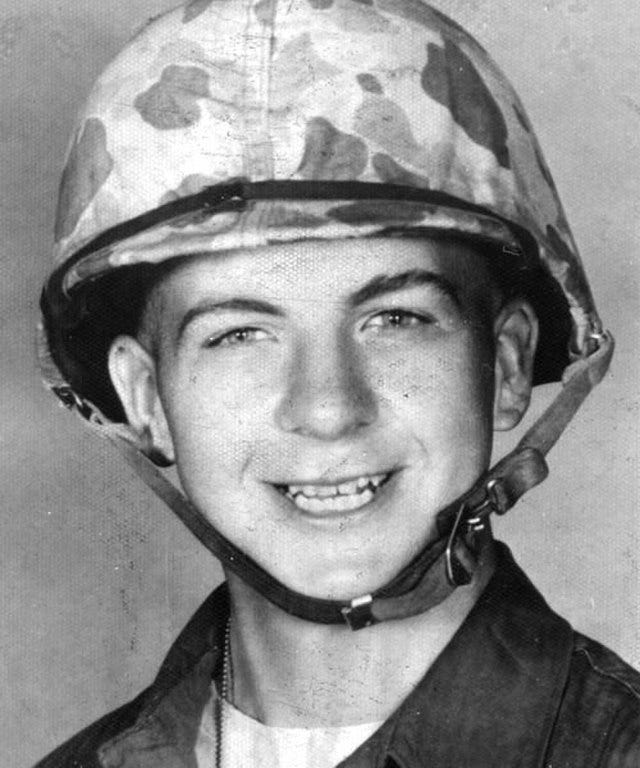
Marguerite and Lee eventually returned to New Orleans, where Lee enrolled in public school. Robert’s memoir chronicles Lee’s entire life, even when the brothers were apart. His narrative follows Lee into the Marines in 1956, his defection to the Soviet Union in October 1959, and his eventual return to Fort Worth, Texas, in June of 1962, with his wife Marina Oswald (née Prusakova). Robert knew that Lee had been radicalized, that his younger brother become a “Marxist-Leninist,” but Robert dismissed Lee’s revolutionary talk as the type of shallow contrarianism that Lee had embraced all his life. The brothers saw each other numerous times – and even lived together briefly – right up until Thanksgiving Day, November 22, 1962.
After that – the final year of Lee’s life – they communicated through letters and phone calls. But they did not see each other again until after President Kennedy’s assassination.
Robert Oswald weaves together a powerful story in Lee: A Portrait of Lee Harvey Oswald by His Brother. The book effectively combines his memories with his personal collection of family documents and relevant excerpts of the Warren Commission Report.
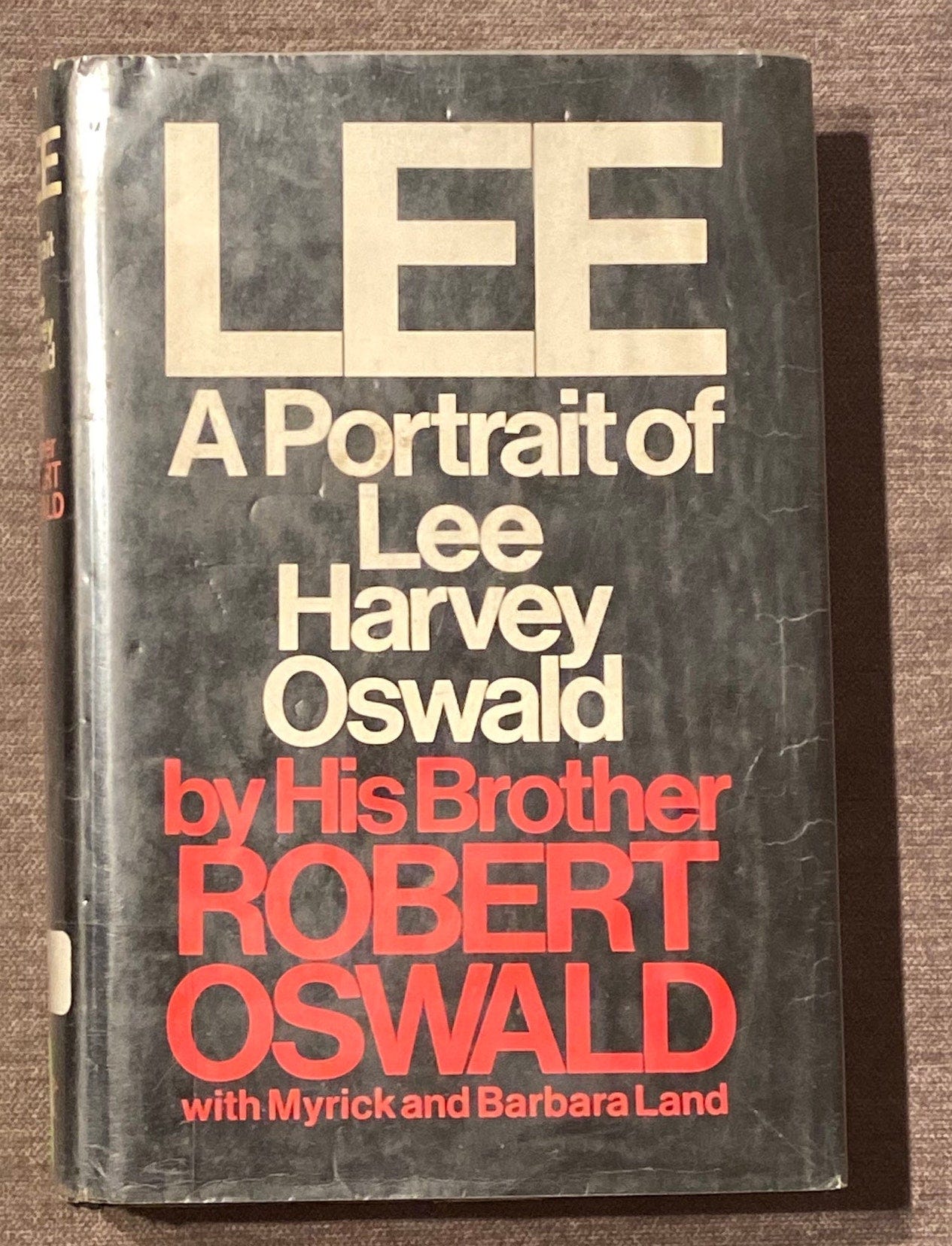
Oswald hoped his book would help refute allegations – gaining traction by 1967 – that his brother had been involved in a larger conspiracy to kill President Kennedy. While this might’ve been too much to hope for, the mere act of writing it proved to be a therapeutic exercise for Oswald. It also allowed him to tell his brother’s story in a more personal and accessible style than the lengthy and often mechanical Warren Commission Report.
Over a half century later, The Oswalds: An Untold Account of Marina and Lee (2022), by Paul R. Gregory, offered a fresh participant-observer take on the elusive Oswald. Gregory – a respected professor of Economics and a fellow at the prestigious Hoover Institution at Stanford University in Palo Alto, California, with a PhD in Russian economics from Harvard – wrote a fascinating memoir about his friendship with Marina and Lee Harvey Oswald. Like Robert Oswald, Gregory – who is still alive as of this writing – is a conspiracy skeptic, voicing strong doubts about treacherous cabals and “larger forces at work.”
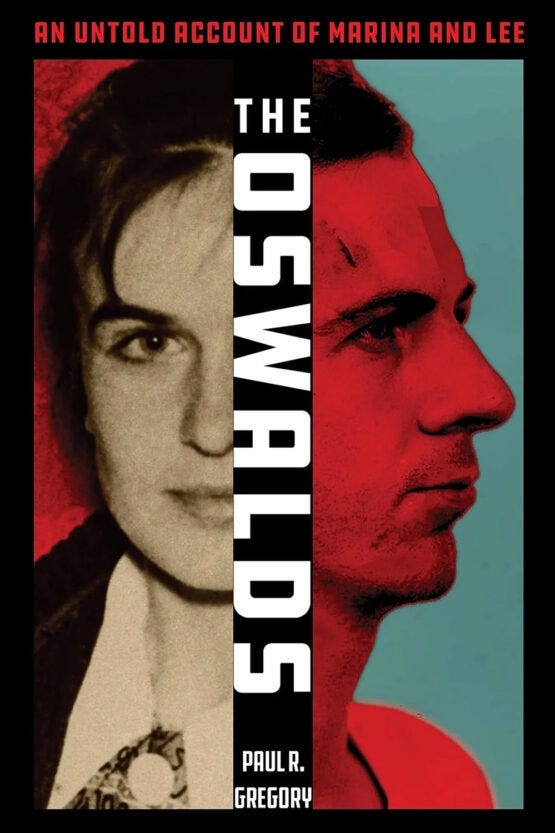
The author focuses on his brief but close friendship with Marina and Lee Harvey Oswald. Despite Gregory’s ideological differences with Oswald (Gregory was politically moderate and voted for Nixon in 1960), he formed a meaningful bond with the otherwise misanthropic young radical who’d just returned with his wife Marina from the Soviet Union.
As Gregory later described his friendship with the titular couple:
“From June through mid-September of 1962 I was the sole companion of Lee Harvey and Marina Oswald outside of Lee’s immediate family. I visited this young married couple often in the duplex where they settled after Lee’s return from his defection to the USSR. I drove them around Fort Worth in my family’s yellow Buick as we talked, shopped, and explored the city. This was Marina’s taste of her new world.”[5]
Gregory’s book reads like a page-turner thriller. A lifelong academic, the man has a way with words. It’s written in brisk short chapters (43 in total, plus an epilogue, in under 300 pages), painting a picture of Oswald as a paradoxically misanthropic revolutionary who loathes individual people but wants to overthrow capitalism and replace it with what he imagines will be a more just socialist society.
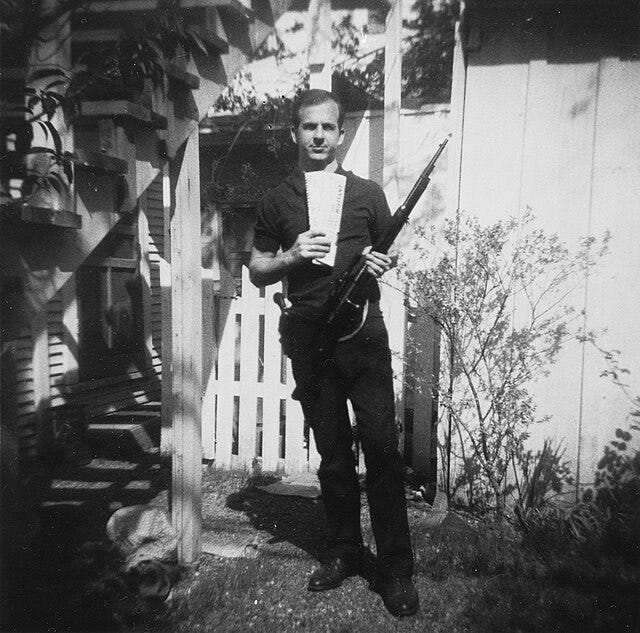
We also get a richer, fuller picture of Marina in Gregory’s account. She yearns for a more prosperous lifestyle in America, and it tests her patience when Lee goes on his political rants about inequality in the United States and his government’s “imperialist” foreign policies. The husband and wife seem to be in a constant state of conflict. But Marina is also loyal to Lee, despite his often abusive and cold treatment of her.
After meeting Lee and Marina, Paul saw them daily, witnessing the couple’s volatile relationship, especially Lee’s explosive temper, and Marina’s ability to push his buttons.
Paul felt a natural rapport with Marina, since his father was from Russia. Marina warmed to Paul, helping him work on his Russian language abilities. In the summer of 1962, Paul introduced the couple to prominent Russian-born figures in Dallas, who wanted to help Marina adjust to life in the United States, yet clashed with Lee over his pro-Soviet beliefs.
Paul often found the couple maddening, as he explains in The Oswalds:
“Marina’s mocking of Lee’s politics was only one irritant in their marriage. My suggestions that she learn English was another. As my evenings with Lee and Marina settled into a routine, Marina had still not acquired the most rudimentary elements of English vocabulary…. Both ignored my offers to bring materials that would help Marina learn English.”[6]
Ultimately, Gregory’s book is a narrower snapshot – tracing a briefer timeline – than Robert Oswald’s ambitious account. However, its tighter focus makes it a satisfying read, and unlike Robert Oswald, Gregory takes Lee’s political commitment to Marxism seriously, which adds another layer to the story. As an “Oswald Detective,” Gregory had to rely partly on his memory, but he also benefited from declassified Russian files to which he gained access through Stanford’s Hoover Institution, as well as his own personal research. The result is an essential volume in the growing library of Lee Harvey Oswald biographies.
THE JOURNALISTS
Journalists have also played a pivotal role in documenting the murky life of Lee Harvey Oswald.
Fifty-five years before Paul Gregory’s The Oswalds was published, the historian, scholar and journalist Priscilla Johnson McMillan (1928-2021) wrote a remarkably detailed history of Lee Harvey and Marina Oswald, Marina and Lee: The Tormented Love and Fatal Obsession Behind Lee Harvey Oswald's Assassination of John F. Kennedy (1977). The book was important because, despite being written a full decade after Robert Oswald’s book, it was one of the earliest full-length biographies of Lee Harvey Oswald, and the first of Marina.
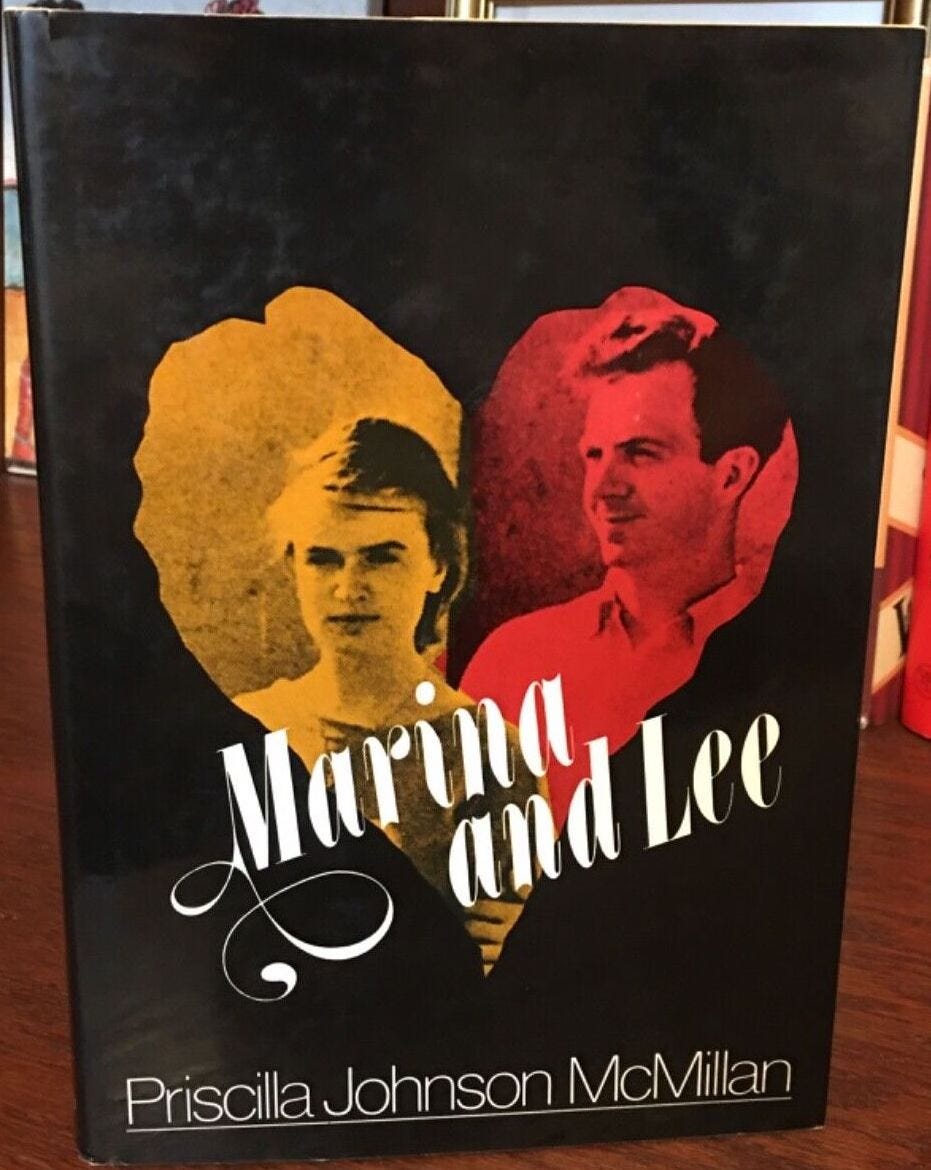
McMillan’s credentials were impeccable: She had been a research staffer briefly for Senator John F. Kennedy in 1953. Six years later, in 1959, as a journalist working in Moscow, McMillan interviewed Lee Harvey Oswald. Most importantly, McMillan had unique access to Marina Oswald, conducting extensive interviews that provided invaluable insights into Lee Harvey Oswald's personality and motivations.
This firsthand access set her work apart. So, too, did her emphasis on Lee and Marina as a couple, with the author treating the project as a joint biography of two subjects.
McMillan emerged as a pioneering “Oswald Detective” of the first order: Her rigorous research and meticulous attention to detail contributed to a nuanced and complex portrait of Oswald, going beyond the simplistic portrayals that had often prevailed. Moreover, the book provided a humanized, if still controversial, view of Oswald, exploring the complexities of his character and the factors that may have influenced his actions.
And Marina and Lee contains the most detailed account of Marina ever written, one that has never been surpassed. The book is brimming with details about her childhood in Russia, and the evolution of her complex personality.
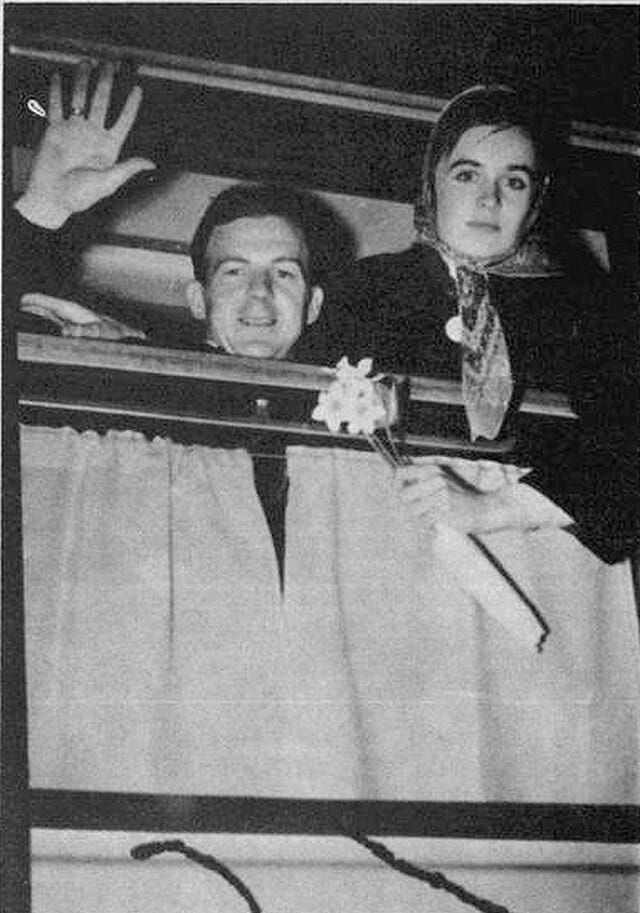
Lee’s abuse of Marina in McMillan’s book is deeply unsettling. He routinely hits his wife, sometimes repeatedly, and often quite hard. But then, like most abusers, he’d beg her to stay, plead for her forgiveness, and vow there was never going to be anymore hitting. Marina, for her part, maintained a love-hate relationship with Lee that could be hopelessly complicated.
Lee’s behaviour toward the end of his life became particularly explosive, as McMillan recounts:
“For Marina, the month of February 1963 was far and away the worst in all her married life. Lee had been hitting her ever since they arrived in America; in February there was a dramatic change in the style and ferocity with which he did it. No longer did he strike her once across the face with the flat of his hand. Now he hit her five or six times – and with his fists…. When he started to strike her, his face became red, and his voice grew angry and loud.”[7]
Add to the mix Lee’s overbearing mother, Marguerite, often self-centered, overbearing, and manipulative. She had been a terrible mother when Lee was young, frequently absent. But in the last year and a half or so of his life, she was a troublesome presence, quick to sharply criticize Marina and frequently annoying her admittedly irritable son.
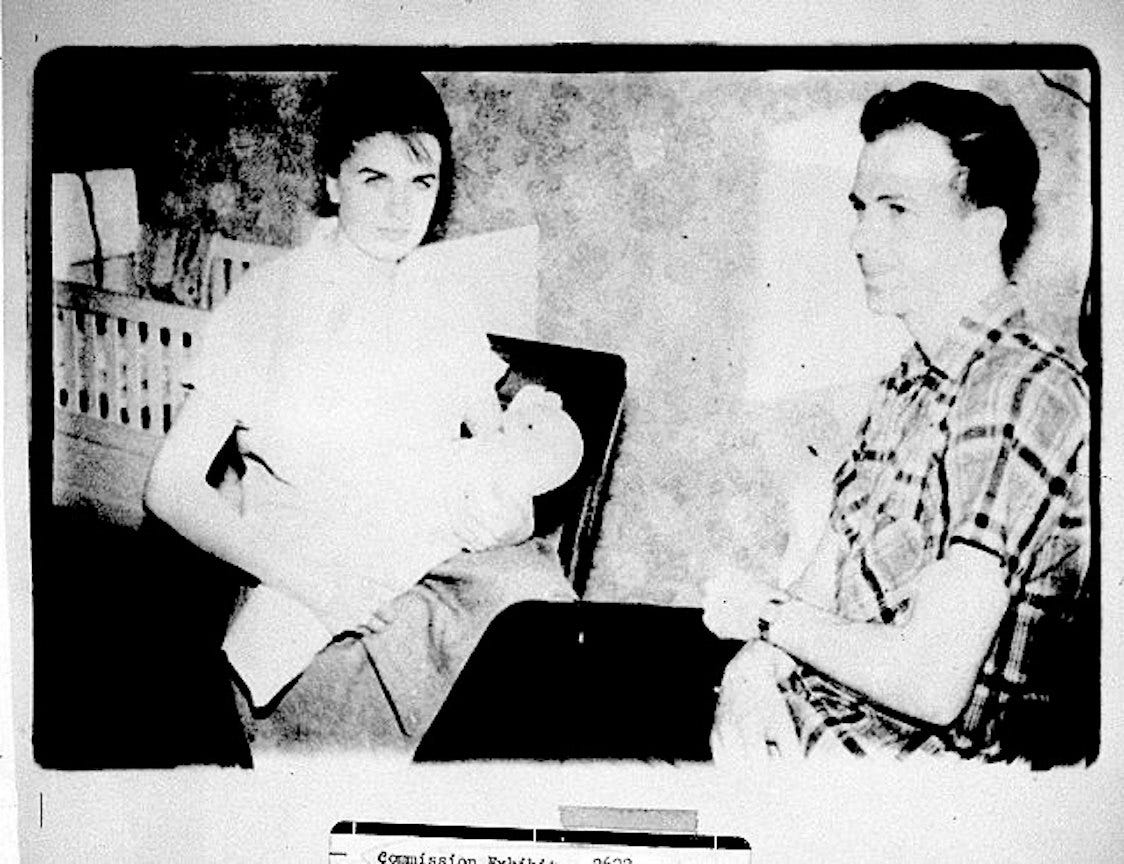
In the end, Marina gets the last word in the book, as McMillan prioritizes the telling of her life story above that of Lee’s. Because it’s written primarily about Marina, we get her backstory in vivid detail, but McMillan wisely (and mercifully) skips Lee’s oft-written about childhood and adolescence. And it helps that McMillan is a damn good storyteller, because Marina and Lee is a hefty tome, weighing in at over 600 pages.
Upon publication by Harper & Row in 1977, McMillan’s Marina and Lee won critical acclaim, setting the bar high for subsequent contributions. It inspired other journalists to write biographical narratives about Lee Harvey Oswald. These include Jean Davison (Oswald’s Game, from 1983), Gerald Posner (Case Closed: Lee Harvey Oswald and the Assassination of JFK, from 1993), Peter Savodnik (The Interloper: Lee Harvey Oswald Inside the Soviet Union, published in 2013), and Steven Beschloss (The Gunman and His Mother: Lee Harvey Oswald, Marguerite Oswald, and the Making of an Assassin, 2024). The combined contributions of journalists over the decades have done much to bring Oswald’s life into clearer focus for the public.
WRITERLY TALES
Novelists have constituted yet another group of “Oswald Detectives,” using research to help them weave together authentic narratives. Some of their contributions are fiction, others fall under the category of creative nonfiction.
For his bestselling 2011 time-travel novel 11/22/63, the prolific Stephen King spent years researching – with the help of his research assistant Russell Dorr – the Kennedy assassination and the life of Lee Harvey Oswald. King reasoned that he wanted his work of alternate history fiction to be as authentic as possible.
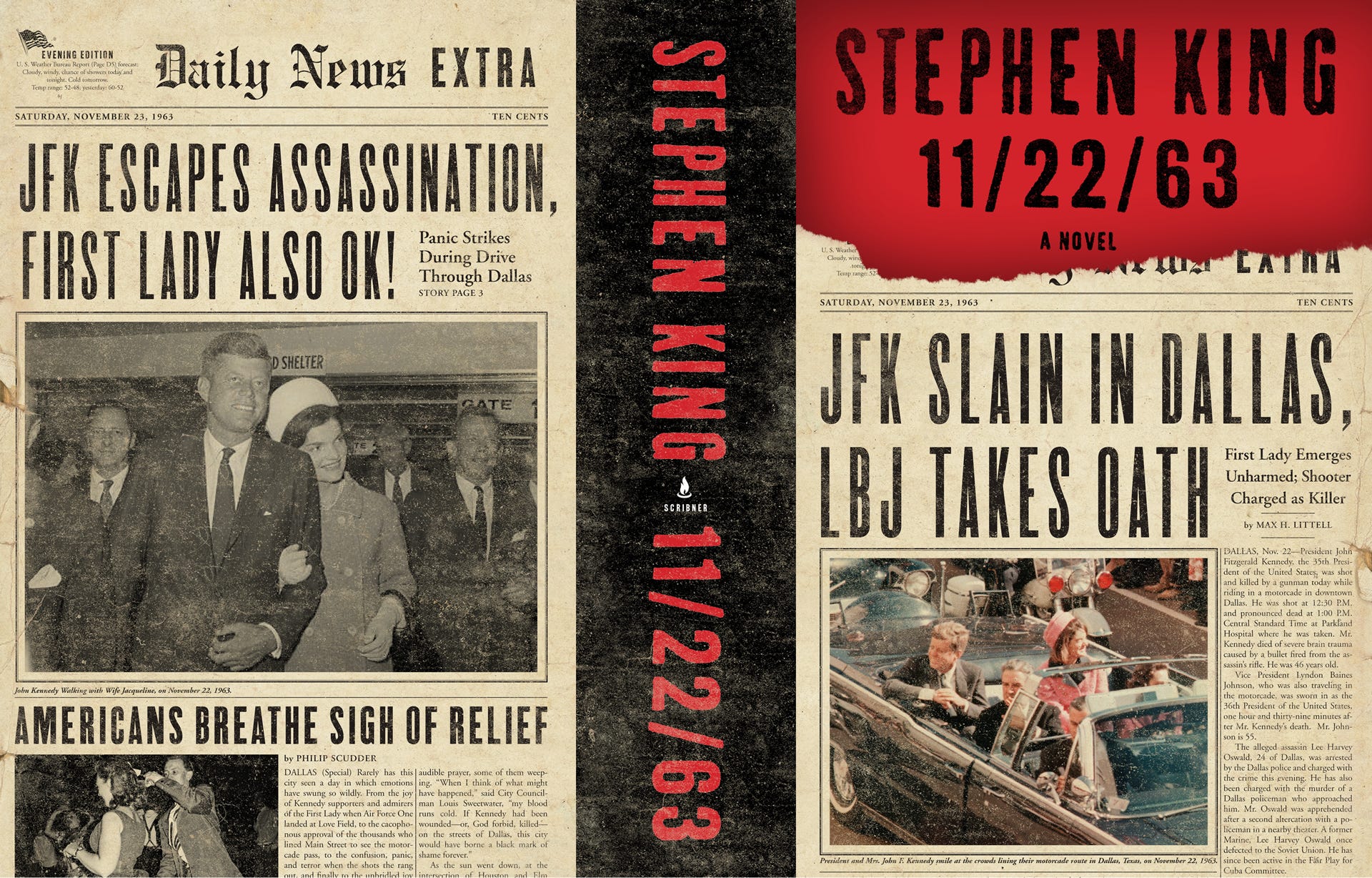
To that end, he meticulously collected books on the topic, as well as newspaper articles, government files, interviews, and other documents relevant to his story about a teacher from Maine who travels back in time to stop the assassination of President John F. Kennedy. King even travelled to Dallas to visit Dealey Plaza, scene of the assassination.
It mattered to King that in his sprawling tale of time portals, romance, science fiction, and suspense, even the smallest details struck the reader as realistic. Because Lee Harvey Oswald is featured prominently in the novel, King must be counted among the “Oswald Detectives” – and certainly the most famous of lot.
A runaway hit upon its publication in November 2011, King’s 11/22/63 is the most famous and widely read novel about the Kennedy assassination. It stayed at the top of the New York Times Best Seller list for 16 weeks.
But King was not the first fiction writer to take on the Kennedy assassination. Don DeLillo’s historical novel Libra, about Lee Harvey Oswald, appeared in bookstores in August of 1988, with the twenty-fifth anniversary of the Kennedy assassination rapidly approaching.
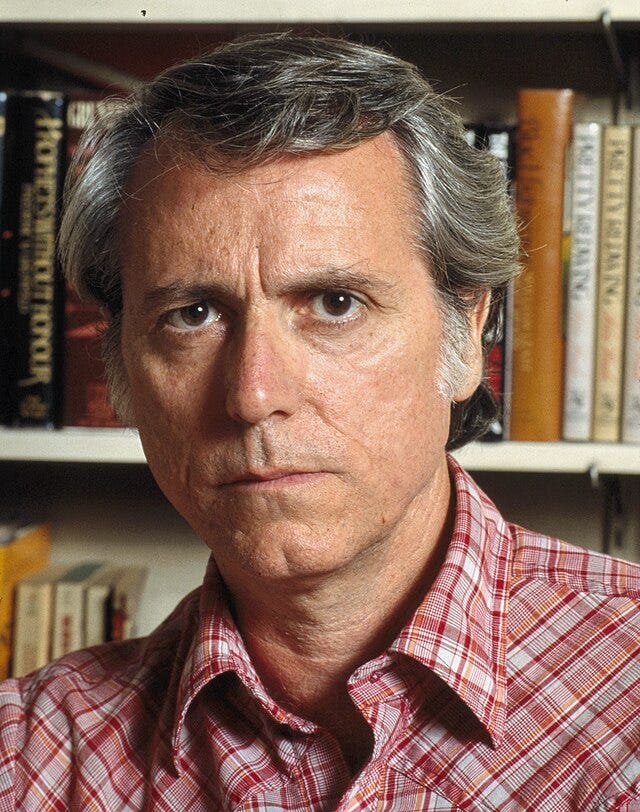
Of all the Oswald chroniclers discussed here, DeLillo’s novel – with its focus on Oswald gravitating to the vortex of a CIA conspiracy to kill President Kennedy – is the most steeped in conspiratorial themes. Libra’s episodic style – with a chronology that’s not always linear – and vivid, gritty prose, reminiscent of hard-boiled fiction, influenced other writers, most notably crime novelist James Ellroy. “The paranoia in Libra flows from unknowable plots being worked out in hidden corners,” DeLillo told an interviewer.[8]
DeLillo did extensive research over the course of three years for his novel Libra. He read the Warren Commission Report, he collected documents about Lee Harvey Oswald, and, like Stephen King years later, he visited the locations he wrote about in Libra.
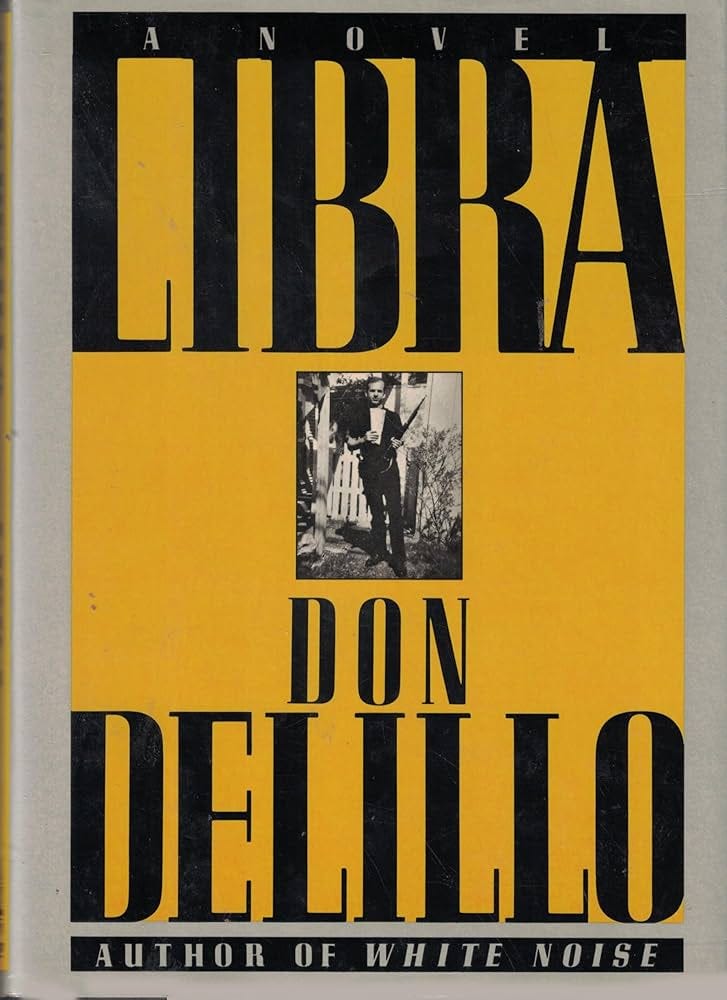
DeLillo’s prose in Libra can be sparse and precise, and at times he adopts a telegraphic style. He has a brilliant ear for dialogue. The reader feels like a fly on the wall, listening to an actual conversation. It has a strikingly natural feel to it.
And DeLillo seamlessly blends details of Oswald’s life that are widely known with more arcane elements of a massive plot to assassinate the president. The result is a novel that adroitly blends history and fiction, filled with speculative passages such as this one:
“When Lee had a certain look on his face, eyes kind of amused, mouth small and tight, he finds himself thinking of his father. He associates the look with his father. He believes it is a look his father may have used. It feels like his father. A curious sensation, the look coming upon him, taking hold in an unmistakable way, and then his old man is here, eerie and forceful and whole, a meeting across worlds.”[9]
While it could not rival 11/22/63 in the commercial juggernaut category, Don DeLillo’s Libra sold briskly in 1988, bringing Oswald-oriented conspiracy theories to an even wider audience, and it instantly became a postmodern classic of American literature.
Besides Stephen King and Don DeLillo, other novelists who have written outstanding books about Lee Harvey Oswald include Norman Mailer (Oswald’s Tale, 1995), Thomas Mallon (Mrs. Paine's Garage: And the Murder of John F. Kennedy, published in 2002), and Deanne Stillman (American Confidential: Uncovering the Bizarre Story of Lee Harvey Oswald and His Mother, from 2023). It bears mentioning that these last three books are works of nonfiction, yet each reads like a gripping novel, thanks to the strong literary talents of the authors.
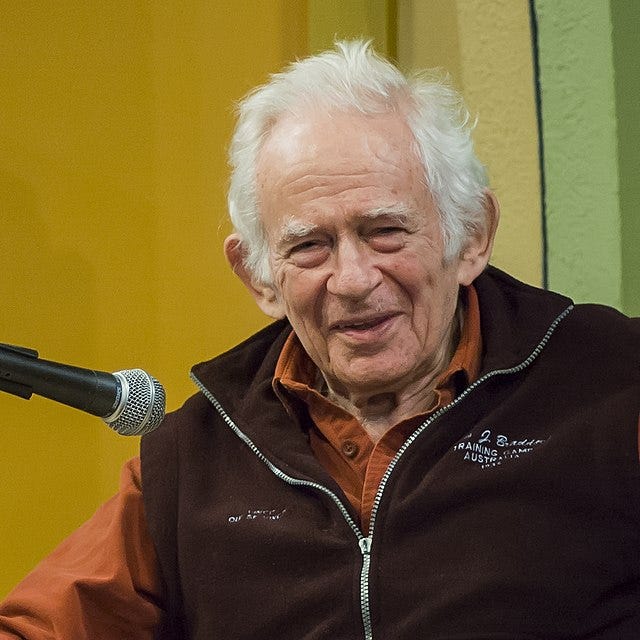
Particularly noteworthy is Mailer’s Oswald’s Tale, which utilized creative nonfiction in portraying Oswald’s life in the late 1950s and early 1960s. Critics praised the book for its extensive account of Oswald’s time in the Soviet Union, its rich detail buttressed by recently declassified KGB documents that the author had obtained after the fall of communism in the early 1990s. But, weighing in at around 800 pages, Oswald’s Tale – like so many books about the mysterious assassin – is not one you want to drop on your foot.
PARTING THOUGHTS
While this article focuses on fictional and historical works that delve into Oswald's character based on thorough historical research, there are also books with heavy Oswald content that explore conspiracy theories surrounding the assassination. My aim here is more to highlight Oswald’s private life, as pieced together in accounts informed by historical sources.
There are, of course, many works that explore alternative theories to the assassination of President Kennedy. I will leave them alone for now, perhaps tackling some of them at a later point. Oliver Stone’s mesmerizing film JFK (1991) – which has become a towering work of cinema – has been a source of endless fascination for me since I first saw it right after it opened in theatres. Gary Oldman’s unforgettable portrayal of Lee Harvey Oswald in JFK – masterful in every respect – is itself a staggering achievement.
Here is a fascinating 1991 interview with English actor Gary Oldman in which he discusses his extensive preparation to play the role of Lee Harvey Oswald in Oliver Stone’s JFK. Oldman immersed himself in the role, assuming Oswald’s mannerisms and style of speaking. The acclaimed actor has said in multiple interviews that Oswald was one of his favourite parts to play. Incidentally, this clip includes scenes with Oldman playing Oswald and the resemblance is striking.
But Oliver Stone’s JFK will be a subject for another article.
My goal here is to demonstrate that each volume written about this enigmatic history maker has added to our knowledge of his life, and the tragic crime that was committed in Dallas on that dark day in November 1963. Turn the prism slightly, and you can see a different phantom Oswald from the one you encountered before.
It is hard to imagine what could possibly be said about the man’s short life and its violent end that has not been written already. But history is full of surprises. And with books still being published about America’s most famous assassin, you can safely bet that new Oswald-themed books will continue to draw readers to this darkest and most perplexing of historical figures.
NOTES
[1] Michael Leahy, “A Brother Still Haunted By Oswald’s Legacy,” Philadelphia Inquirer, November 21, 1997.
[2] Robert Oswald, Lee: A Portrait of Lee Harvey Oswald by His Brother (New York: Coward-McCann, 1967), 198-199.
[3] Oswald, Lee: A Portrait, 199.
[4] Oswald, Lee: A Portrait, 46.
[5] Paul R. Gregory, The Oswalds: An Untold Account of Marina and Lee (New York: Diversion Books, 2022), 5-6.
[6] Gregory, The Oswalds, 116.
[7] Priscilla Johnson McMillan, Marina and Lee: The Tormented Love and Fatal Obsession Behind Lee Harvey Oswald's Assassination of John F. Kennedy (Hanover, NH: Steerforth Press, 2013), 315. Note: The original first edition of the book was published by Random House in 1977.
[8] Gerald Howard, "The American Strangeness: An Interview with Don DeLillo,” Hungry Mind Review, 1997. URL: http://web.archive.org/web/19990129081431/www.bookwire.com/hmr/hmrinterviews.article$2563
[9] Don DeLillo, Libra (New York: Penguin, 2006), 319.
This was a fascinating read! So many interesting facts. I was glued! Will definitely be checking out a couple of these books.